Represent the system
Connect geometry, environmental conditions, interfaces and operating assumptions. Identify where a simplified representation is useful and where more detail matters.

Physical insight, numerical methods and purpose-built tools. Developed around the questions our engineers meet in practice.
An offshore system is never just a model. Its response depends on the environment, the connections, the installation sequence and the way it will be operated.
Our engineers bring those realities into the study from the outset. We connect hydrodynamic theory, numerical methods and practical offshore experience to decide what needs to be represented—and how much detail the question deserves.
Available measurements, model tests and engineering observations provide reference points. Clear assumptions and considered interpretation make the results useful to the people designing and delivering the work.
Methods are selected around the behaviour to understand, the available evidence and the decisions ahead.
Connect geometry, environmental conditions, interfaces and operating assumptions. Identify where a simplified representation is useful and where more detail matters.
Use diffraction, coupled dynamic analysis or CFD as the question requires. Review numerical sensitivity and interpret the result alongside available physical evidence.
Explore CFD expertiseOur computing resources in France support demanding engineering studies and research. Through our sister brand Dynamics Computing, our infrastructure includes 2,048 CPUs.
Visit Dynamics Computing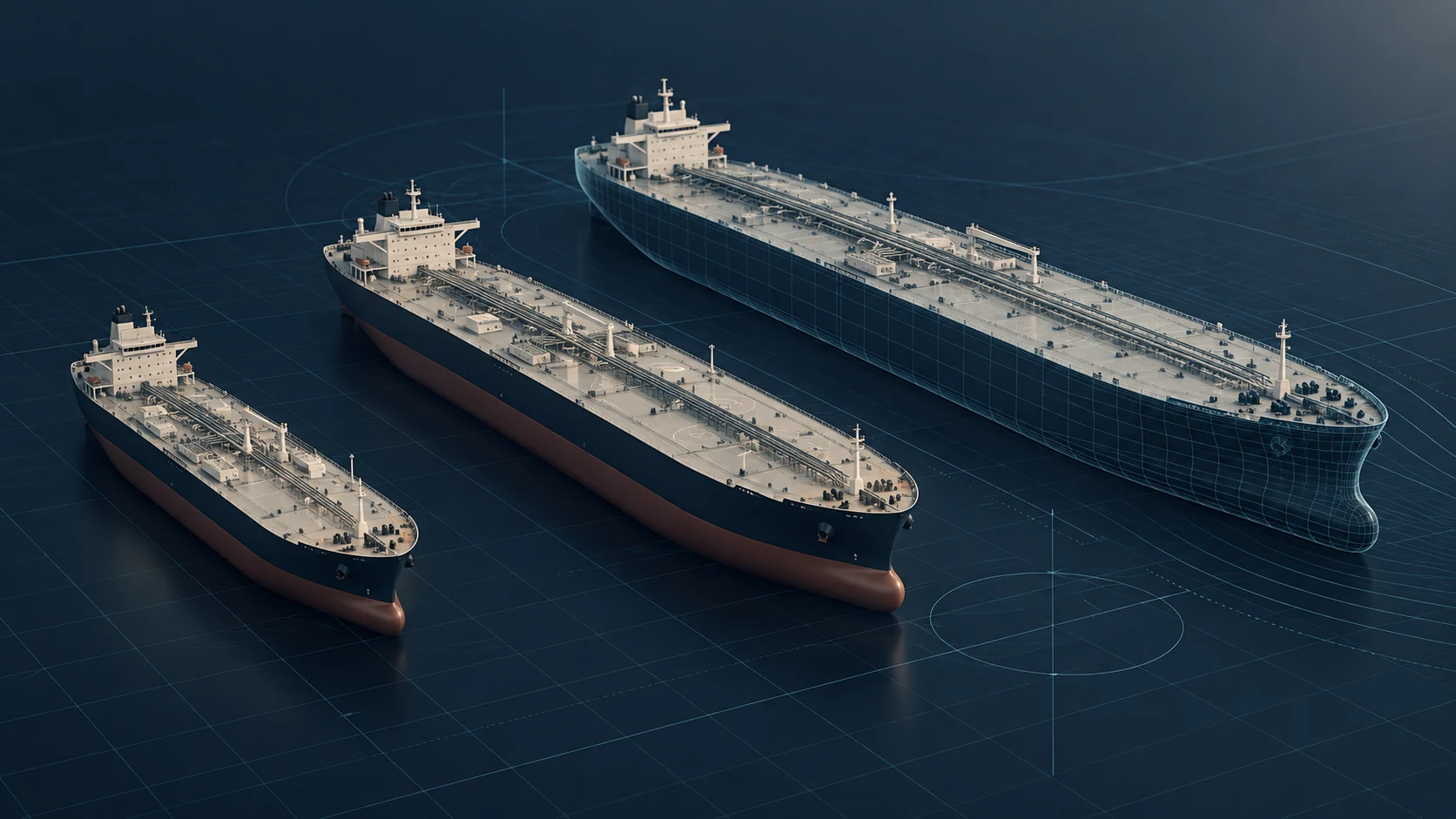
A research resource combining information on more than 30,000 tankers with hydrodynamic models for marine engineering studies.
It supports questions around mooring, berthing, CALM buoy design and risk assessment, bringing vessel information and response modelling into the same starting point.
Explore the applications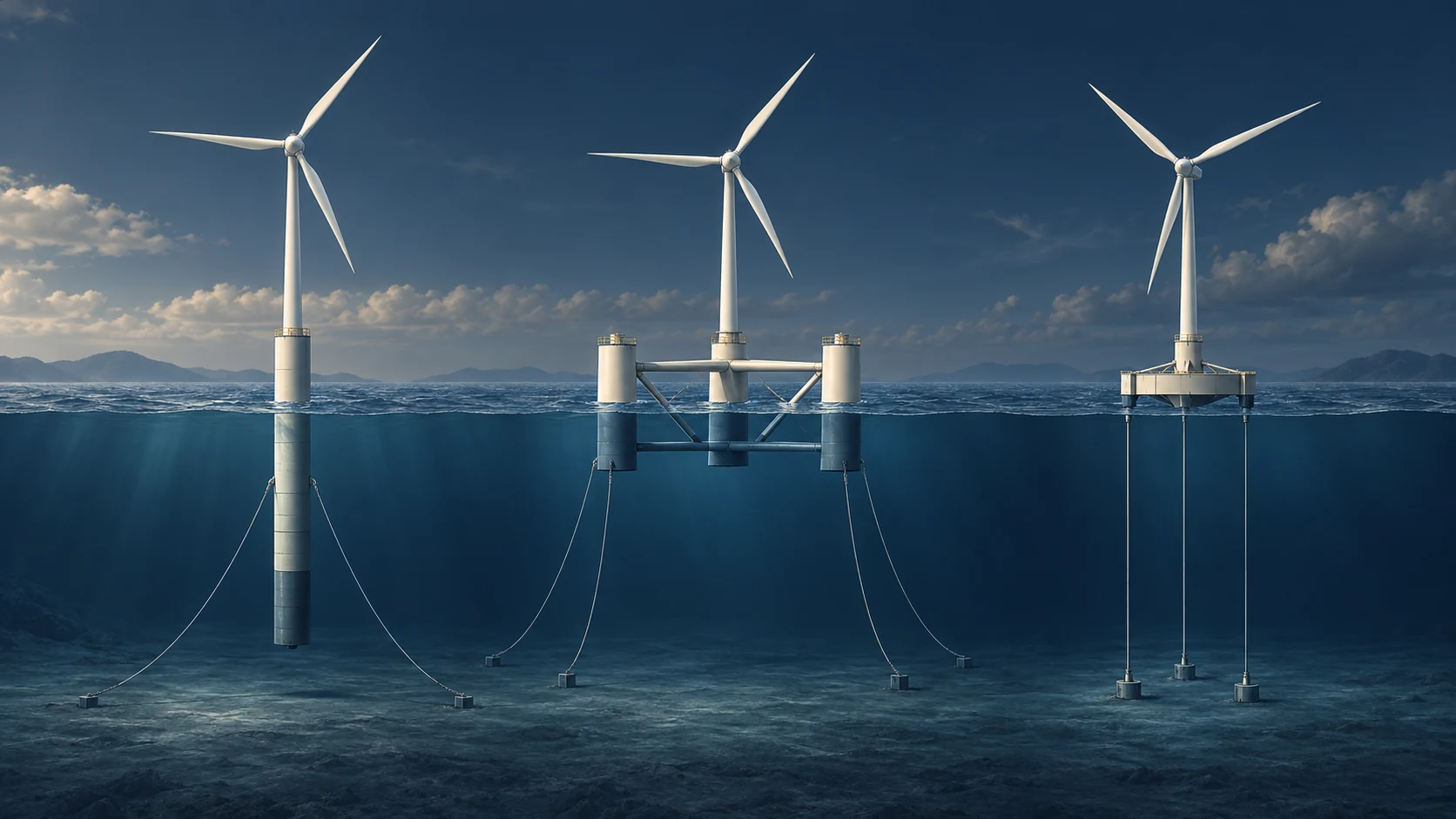
An ongoing comparison of floating wind concepts for turbine sizes from 5 to 20 MW.
A consistent hydrodynamic approach, load-case matrix and toolset help distinguish the behaviour of each concept. The aim is to inform technology selection on a comparable engineering basis.
Explore technical advisoryFocused tools that help our engineers prepare cases, organise results and look more closely at system behaviour.
 View diagram
 Brings large datasets from different analysis software into a common post-processing workflow, helping engineers organise results and read the response across cases.
 View diagram
 Identifies maximum wave occurrence times across batches of irregular sea states, so engineers can locate the events that need closer attention.
 View diagram
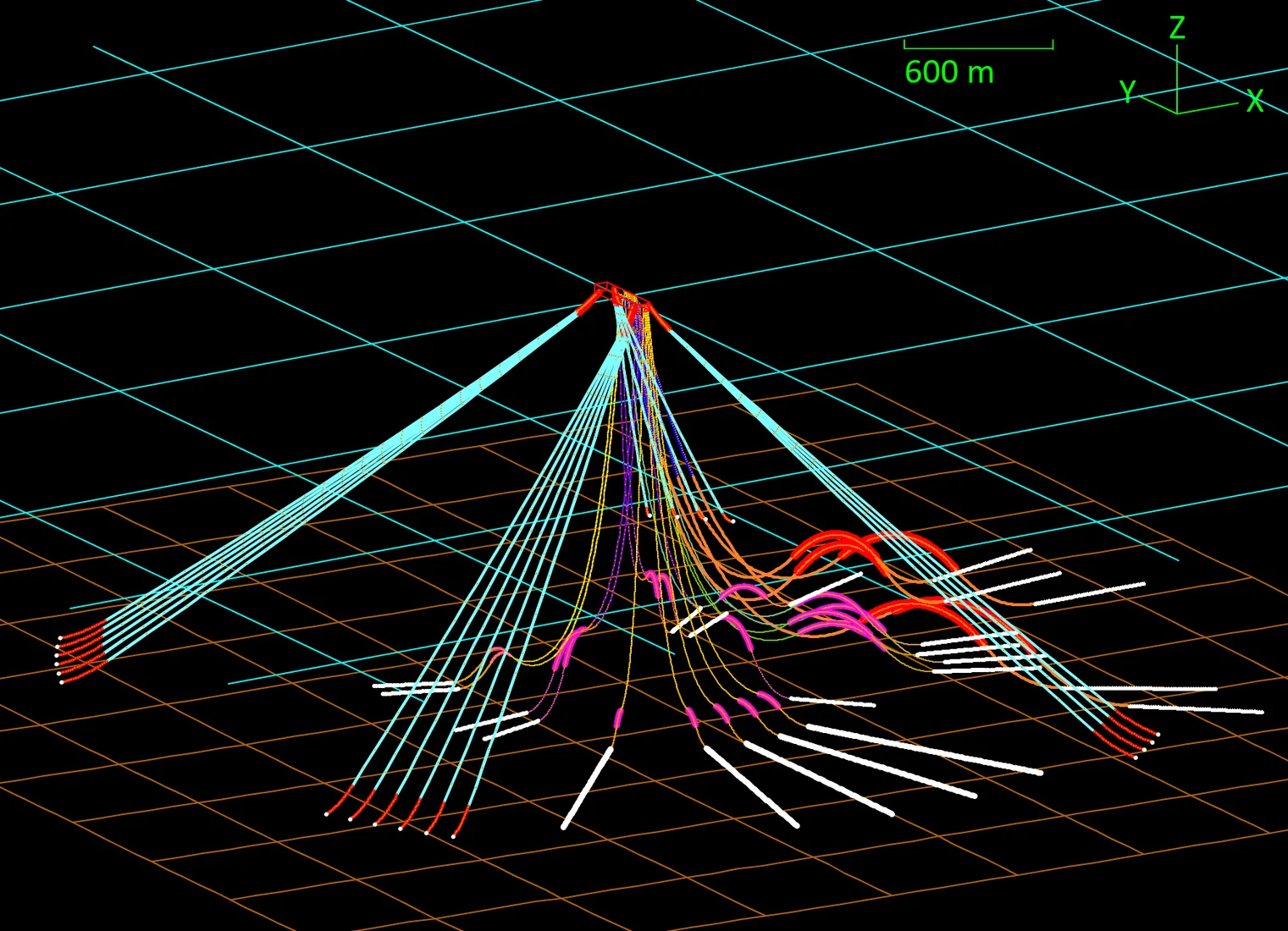
 Visualises the relative positions of lines, pipes and cables in three dimensions, helping engineers inspect proximity and interference.
 View diagram
 Identifies and classifies unsupported spans along laying routes for cables, pipes and umbilicals, bringing route geometry into the engineering review.
Tool selection follows the scope and the questions the analysis needs to answer.
| Discipline | Engineering tools |
|---|---|
| Hydrodynamics & marine | OrcaFlex, OrcaWave, AQWA, HydroStar, Ariane, Deeplines, Shear7, GHS |
| Computational fluid dynamics | OpenFOAM |
| Structures & FEA | Femap / Nastran, ANSYS, Abaqus, SDC Verifier, CAESAR II, GeniE |
| CAD & modelling | Rhino, Inventor, SolidWorks, Navisworks, Blender |
| Programming & computation | Python, NumPy, pandas, MATLAB, VBA |
Reference material, engineering judgement and an open conversation all have a place beside the model. Our core team and specialist network connect research questions with the practical demands of offshore work.
We welcome conversations about numerical methods, engineering applications and research collaboration.