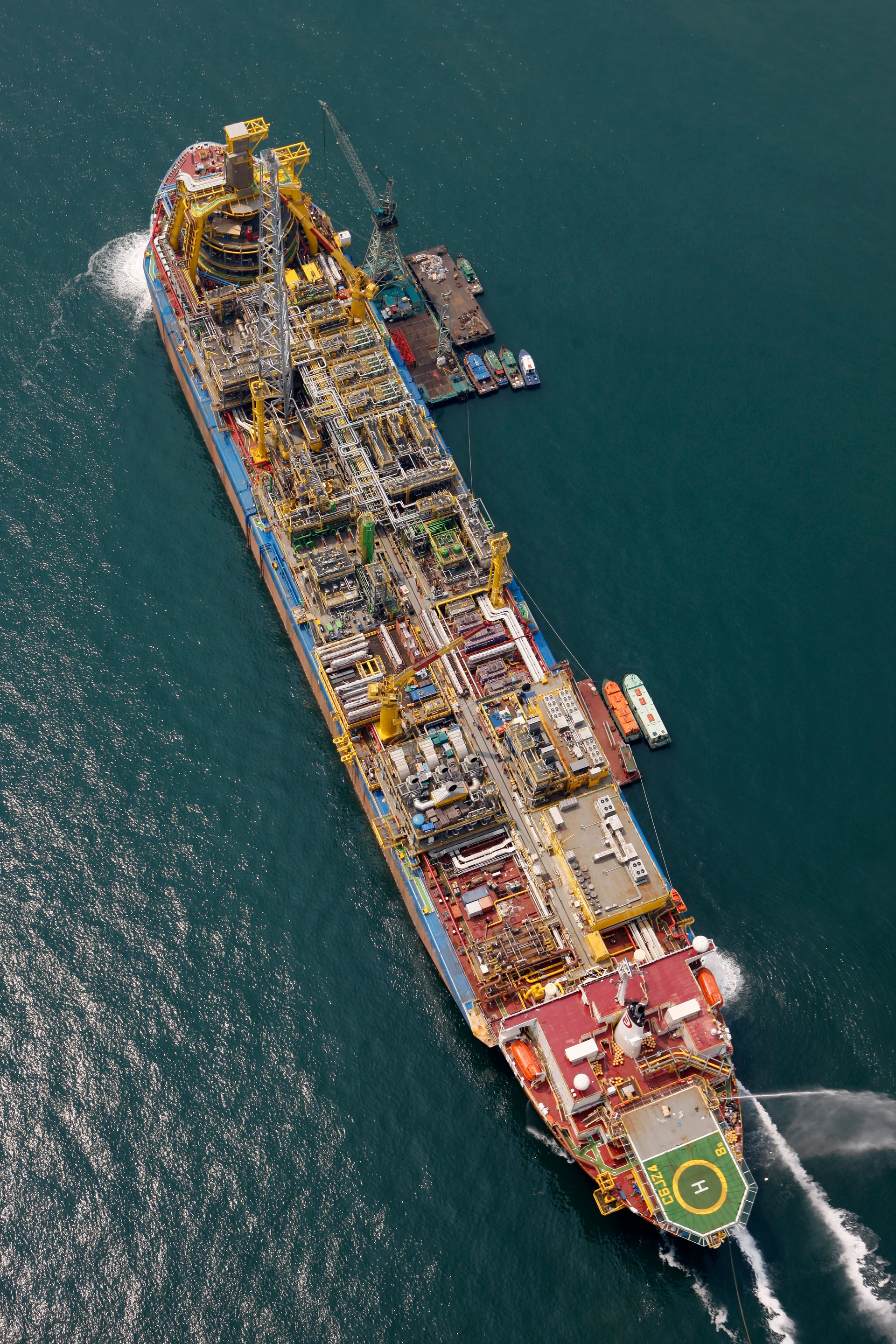
FPSO hydrodynamic motion analysis
Floating production specialist
Hydrodynamic motion analysis for a floating production unit.
View project
Hydrodynamic analysis and mooring engineering for floating wind platforms, FPSOs, CALM buoys, floating solar and vessels. We assess how the complete system behaves, from early concept through detailed design and life extension.
Floating wind · FPSOs · CALM buoys · Floating solar · Marine terminals
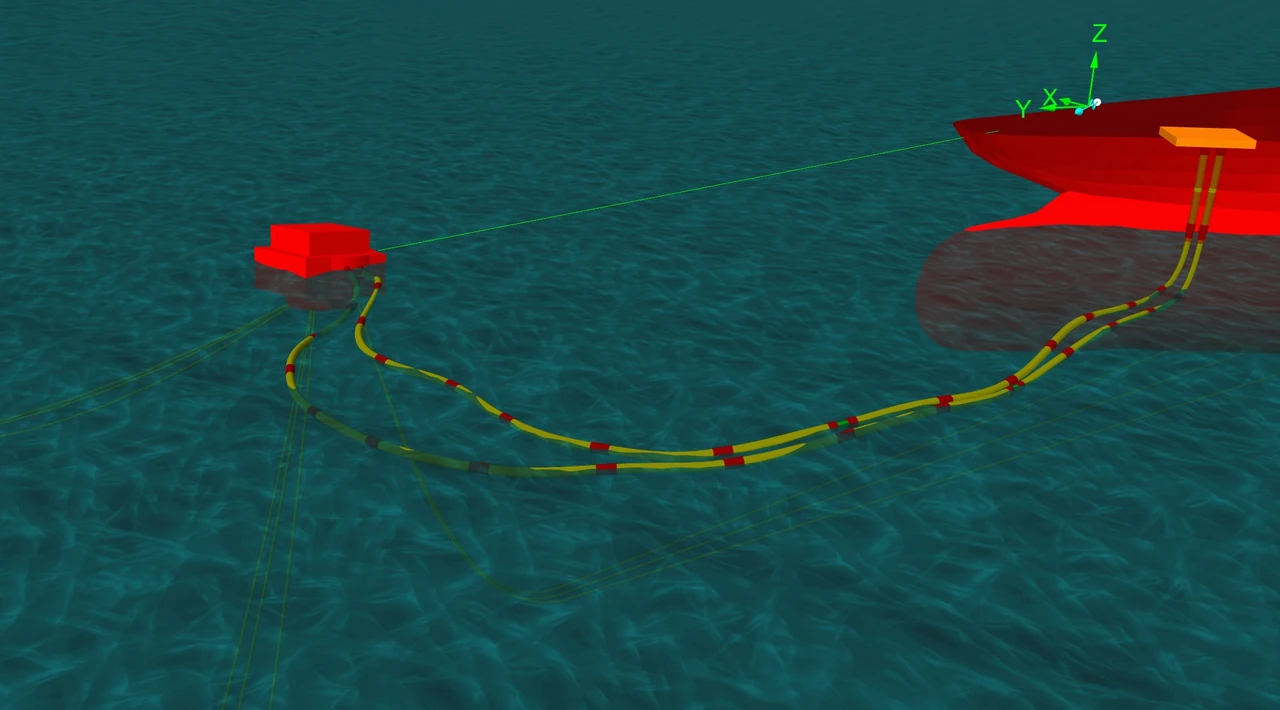
Early concept work can compare system layouts and identify vessel, floater, anchor and seabed interfaces. We can then develop the selected arrangement through strength, fatigue and installation assessment.
The asset or floater definition, water depth, environmental conditions, seabed information, operating requirements and available mooring data help us establish the scope and identify missing inputs.
Floating production specialist
Hydrodynamic motion analysis for a floating production unit.
View projectInternational EPC contractor
Mooring system design for a floating production unit, including strength and fatigue assessment.
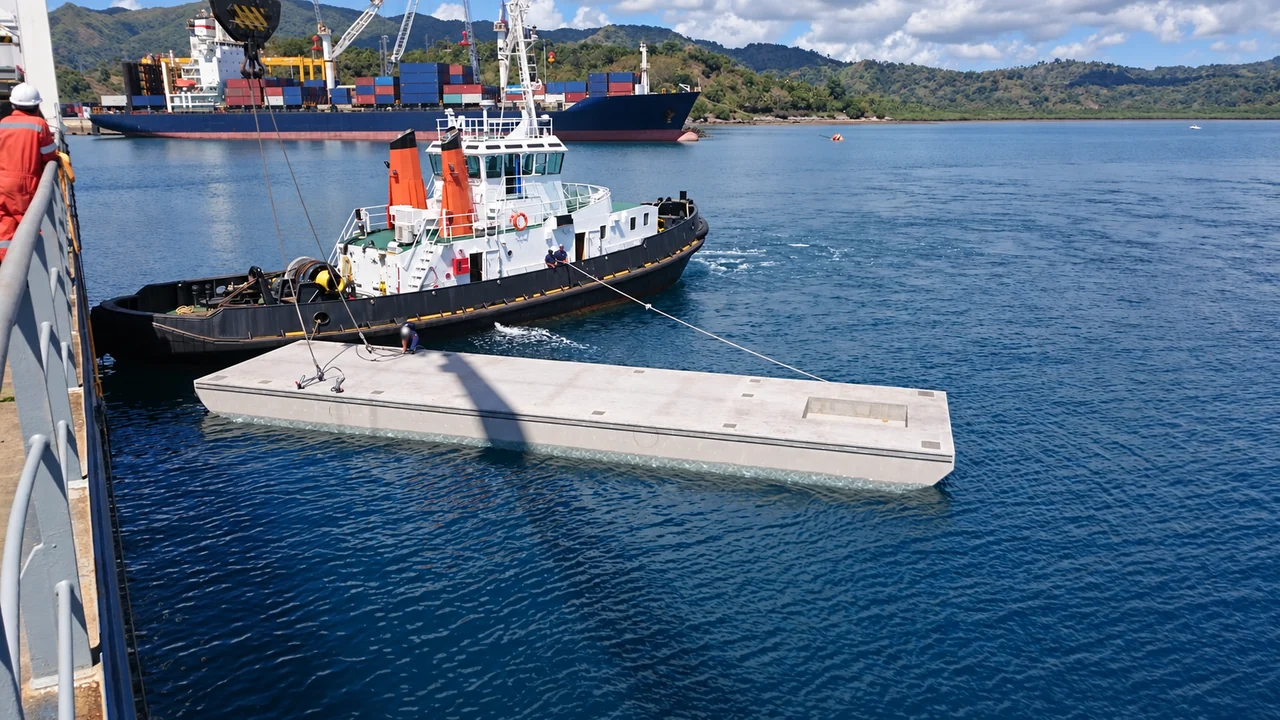
View projectInfrastructure contractor
Analysis of a floating pontoon within the harbour.
View projectTell us about the engineering challenge, the location and your schedule. We’ll connect your enquiry with the right people.