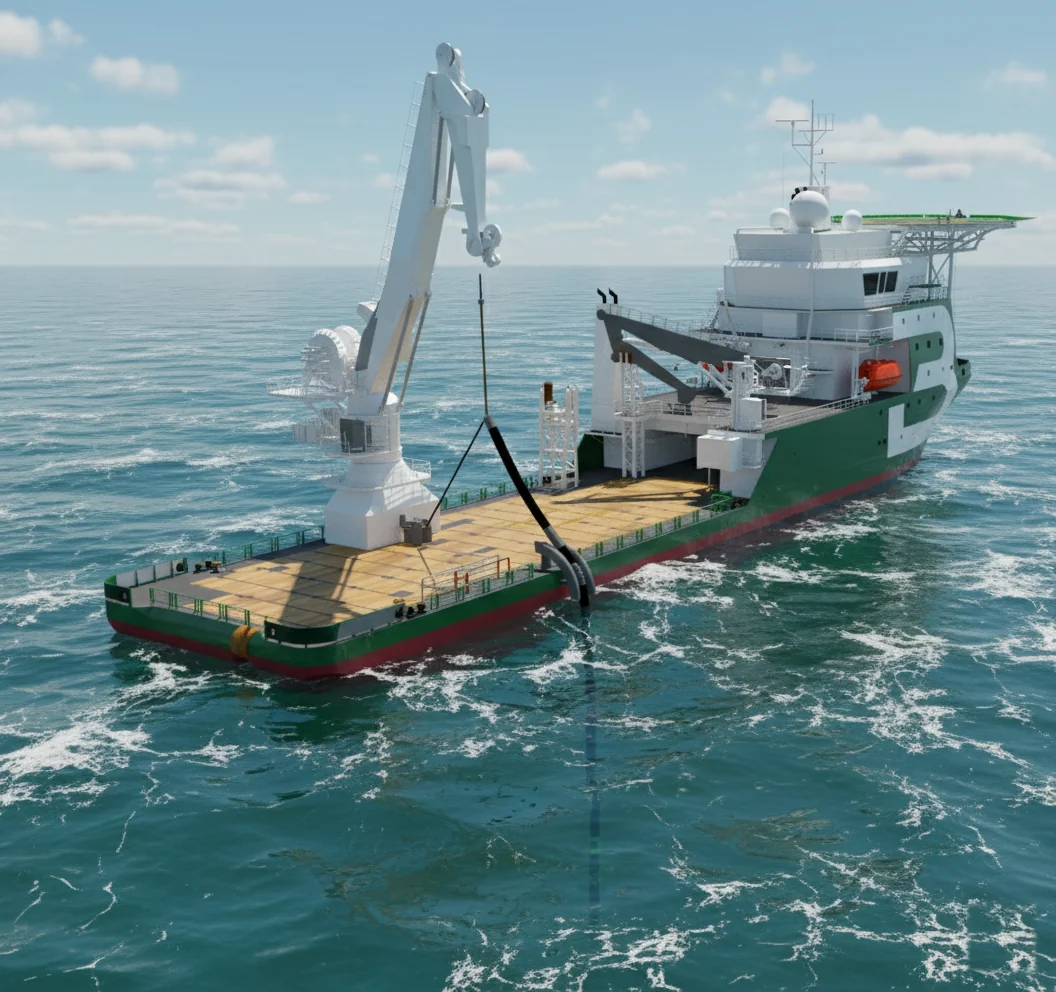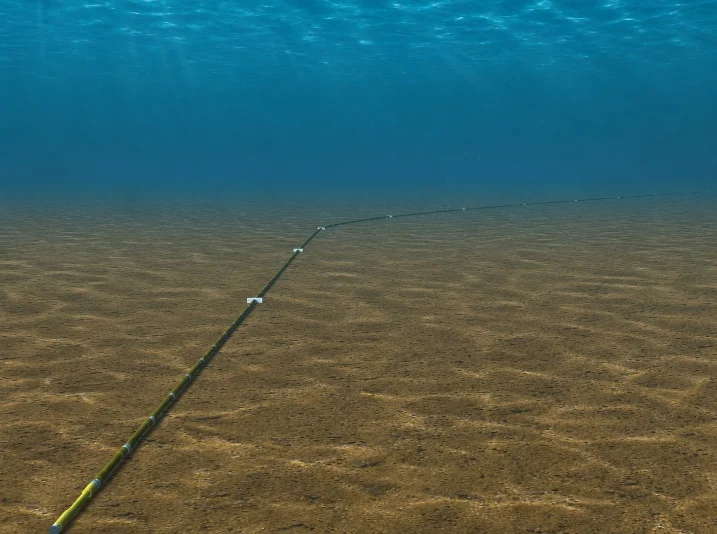
Subsea flowline and foundation design
Offshore energy operator
Hydrodynamics, geotechnical engineering and structural design for a subsea flowline system.
View project
Pipeline and subsea infrastructure engineering, from route selection and hydraulic studies to detailed design and laying analysis. We bring the line, its supports and its seabed interfaces into a coordinated scope.
Pipelines · PLEM / PLET · Crossings · Mudmats · Subsea supports
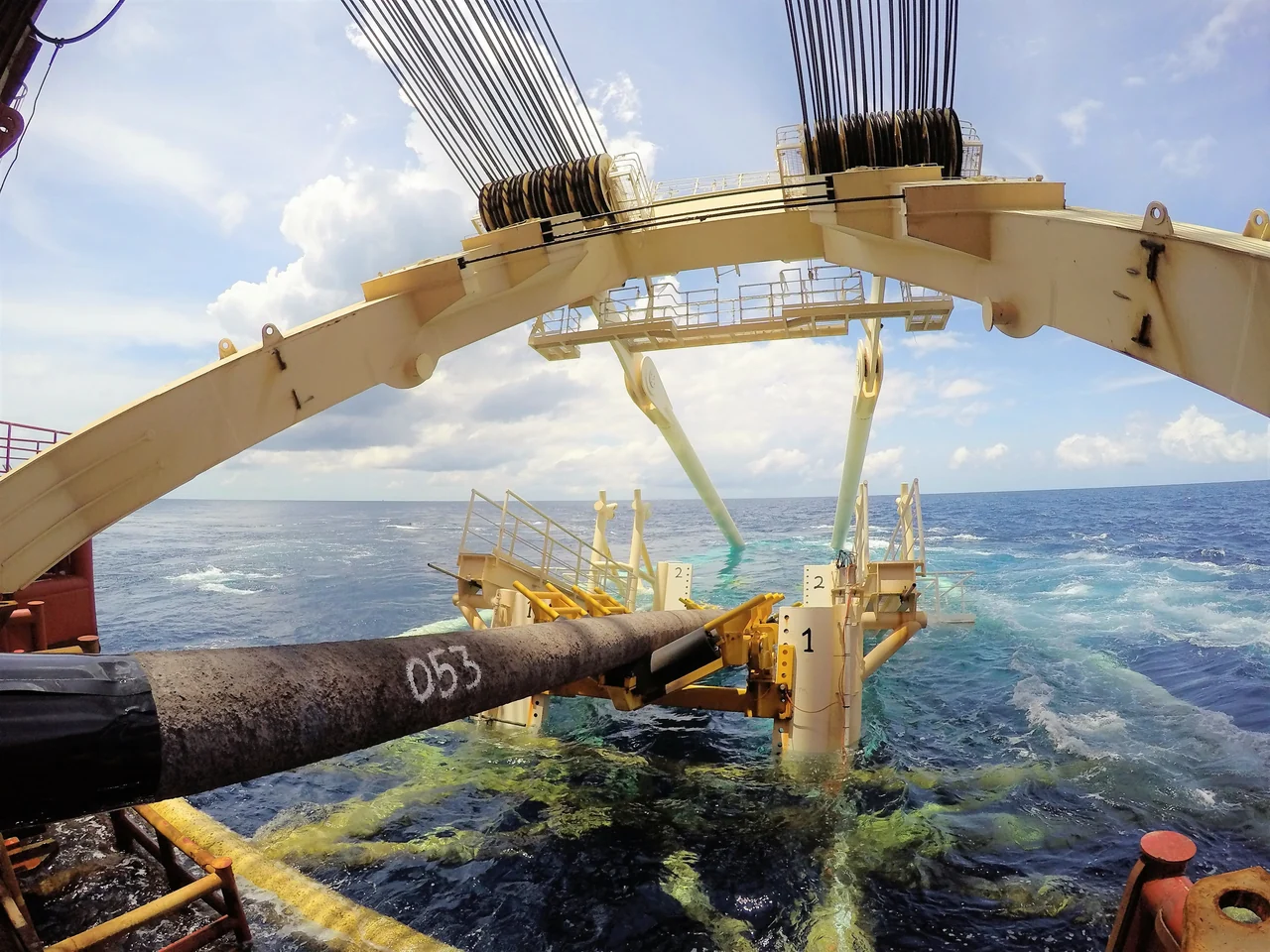
Yes. The pipe, supports, crossings and end structures are considered as connected interfaces. We agree the design basis, installation conditions and responsibilities at the outset.
Route and bathymetric data, soil information, pipe geometry and materials, environmental conditions, operating pressures, temperatures and fluid properties help establish the study. Available information and gaps are reviewed before modelling begins.
Offshore energy operator
Hydrodynamics, geotechnical engineering and structural design for a subsea flowline system.
View projectEngineering consultancy supporting an international operator
Installation procedures and analysis for a rigid offshore riser.
View projectEngineering consultancy supporting an international operator
Installation-phase analysis of multiple pipeline crossings.
View projectTell us about the engineering challenge, the location and your schedule. We’ll connect your enquiry with the right people.